
Four years of horrors which must never be normalised
Whomever I ask, everybody remembers where they were when the war started.
Most of us were glued to the phone screen, unable to sleep, scanning the news. That night is etched in our minds as one of the most cruel, cynical, horrible nights that we have seen in our lifetimes.
Throughout that night in 2022 many thought that the images coming in from Ukraine must be a nightmare from which we would wake up the next day to find everything normal again.
I was supposed to be in Kyiv, together with the foreign ministers of Latvia and Estonia. We were supposed to accompany the Ukrainian Minister of Foreign Affairs to Kramatorsk, close to the contact line, as a show of support. But when I arrived at the airport in Vilnius, the screen showed that the flight was already cancelled.
I was worried about my own country too. Nobody knew where Putin was going to be stopped, if at all. My every moment outside the flurry of meetings was spent scrolling the latest news.
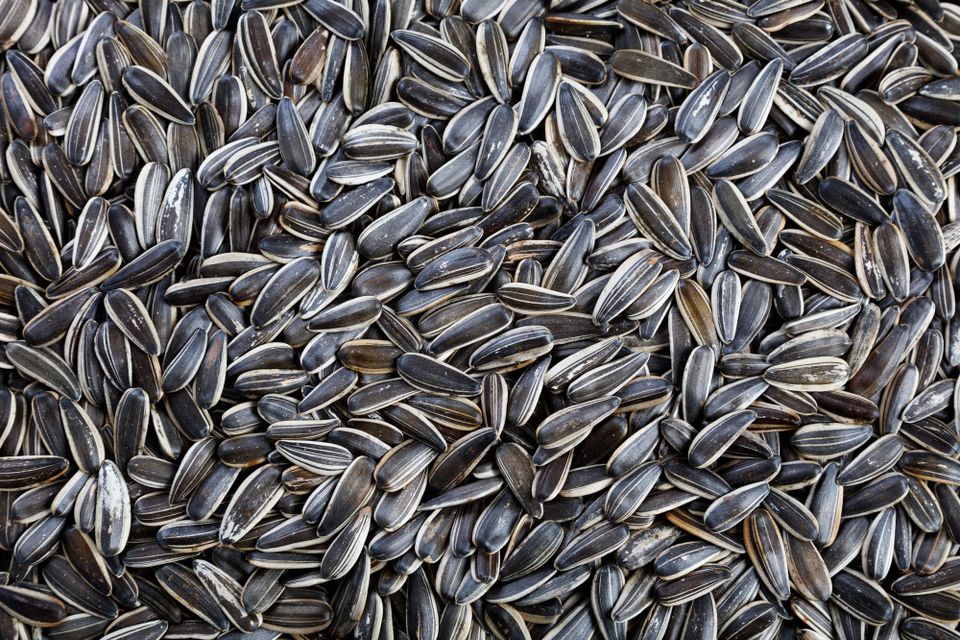
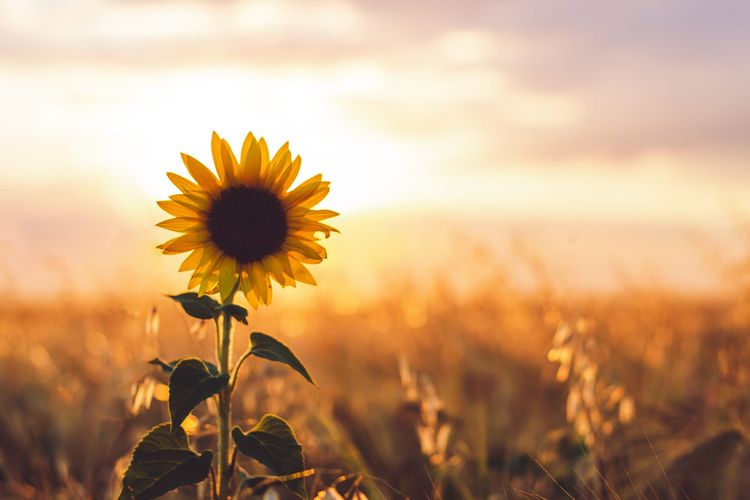
Ukraine was fighting. The recording of a Ukrainian swearing defiantly at a Russian battleship was an inspirational manifestation of Ukrainian bravery seen by all. For me, one of the other videos resonated most – an elderly lady offering a handful of sunflower seeds to a Russian soldier – because when he would die, and die he would, sunflowers would grow from seeds in his pockets. Defiance in the face of brutality.
Shock led Europe forward, never enough, but at least in the right direction. It is almost impossible to believe that the first batches of sanctions were agreed unanimously and almost without concessions. And not just that - Europe managed to pay for the weapons sent to Ukraine.
There was no Hungarian veto!
There was no “rational analysis” of what the world had witnessed. The pictures of bodies scattered in the streets of Bucha or the woman clutching a keyring with a European Union flag – there were times when words were not enough. I remember during one of the Council meetings I read a poem by a poet from Mariupol. Nothing I could have said would have made more sense than his words, words grown in the fields of death everywhere around him.
When the Russian front started to crack, a feeling of victory seeped in. I remember glinting eyes… maybe Ukrainians can actually win this!!
Then the front froze, the West deterring themselves and restricting Ukraine, cowering in fear after Russian nuclear sabre-rattling.
And here we are now, today, accustomed to the war, accustomed to the killing. We got used to the things that we promised would never happen in Europe again.
If there is one thing I wish for at this start of the fifth year of war – it is for us to denormalise. To be outraged, angry, mad, like we all were during the first days of the war. Denormalisation is now a prerequisite to meaningful action.
When Orban is once again vetoing an aid package that he has not even paid a cent for – there has to be outrage. Outrage, not mere concern.
It cannot be “just another day in European politics”. We cannot keep shrugging and saying “that’s just how he is”. When we normalise him, we allow ourselves to become him.
Putin was losing when all of us were angry. Remember? He thrives only when we are uninterested, distracted and overwhelmed.
And so, if you chose to commemorate the day Ukraine and Europe was attacked by Russia – commemorate it by letting your anger trigger you into action. There is nothing normal about what’s happening, and there never was. But our choices normalised the horrific.
Please, wherever you are and whatever you do, don’t normalise shrugging. Be angry. Act.
Member discussion